Fishing Hoover Reservoir, and where to eat after
Fifteen miles from downtown, Hoover Reservoir is what the Ohio DNR calls one of the best catfish lakes in the state, with 45 miles of shoreline, a rebuilt saugeye population, a 10-horsepower limit, and free parkland run by the city. A guest guide from Smells Like Fish, ending at the three Westerville tables on the road home.
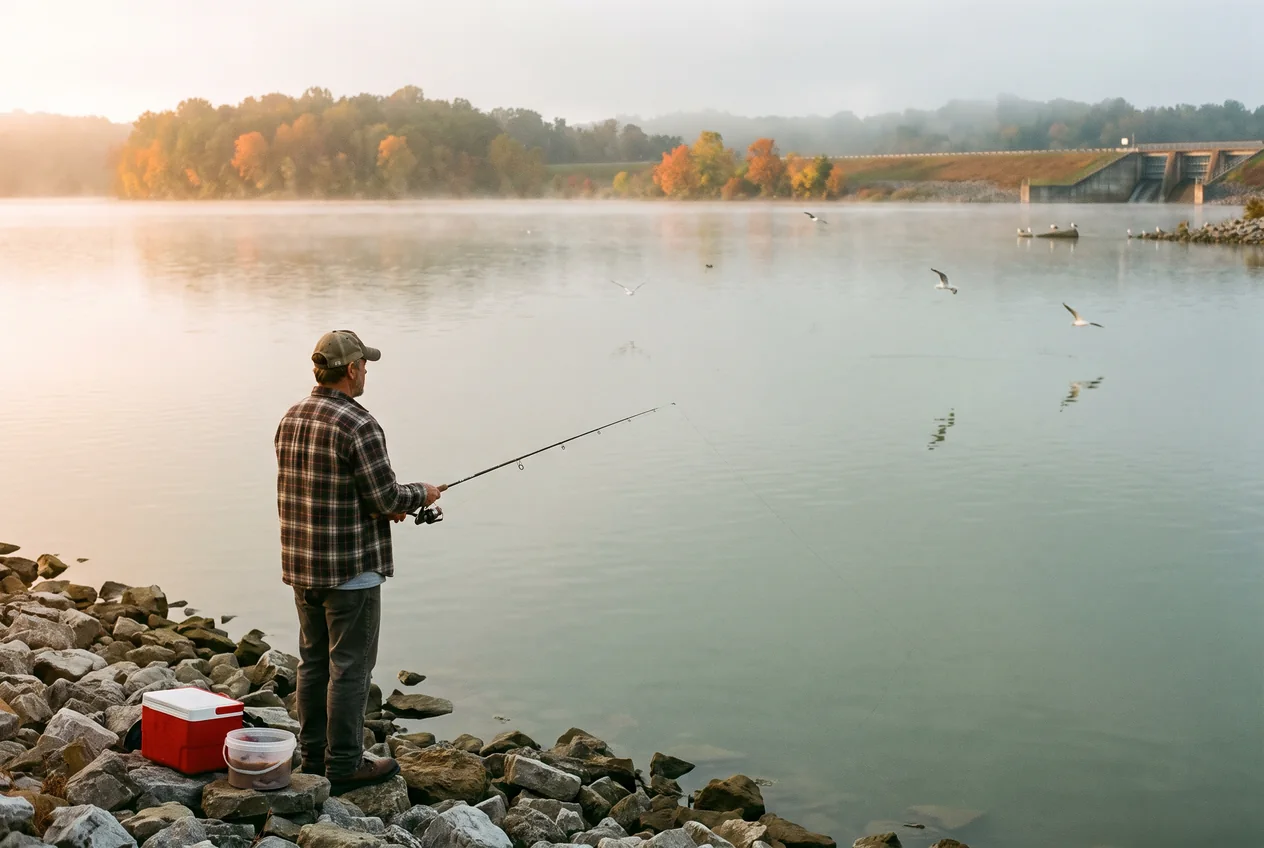
Fifteen miles northeast of downtown, Hoover Reservoir is Columbus’s drinking water and, in the Ohio DNR’s words, “one of the best catfishing lakes in the state with great populations of channel, flathead, and blue catfish.” It has 45 miles of shoreline with bank access points the city maintains, a saugeye population the DNR says has “rebounded nicely” to fish from 10 to 20 inches, a great crappie population, and a 10-horsepower motor limit that keeps the water quiet. The parkland is free and the launch at Oxbow Road is free. This is the fishing half of a day out here. The eating half is at the end, in Westerville, on the road home.
I write the guides on Smells Like Fish, a bait and tackle site, and I am a guest here. Top of Columbus asked for the water. They supplied the tables.
The day, in order
Leave downtown in the dark and take I-71 north to Route 161 east, then Sunbury Road up the west shore. Be on the rocks at Hoover Dam Park at first light with punch bait on a bare treble for the channel cats and a jig and minnow on the second rod for the saugeye that move shallow at low light. Fish the morning, then drive ten minutes into Westerville for lunch on State Street. If you want an afternoon, Alum Creek State Park is 15 miles west, free, with four ramps, annual muskie stockings, and the best crappie survey the DNR has posted in a decade. Dinner is back in Westerville before the drive home, and if it is summer, the flatheads at Hoover come out after dark.
What is in the water
Catfish are the reason the DNR ranks Hoover, all three species: channels for numbers, flatheads and blues for weight. Ohio’s catfish rules are about size, not count: no daily bag on channels but only one over 28 inches, and only one flathead and one blue over 35 inches a day, so the big ones go back after the first. Saugeye, the walleye-sauger hybrid Ohio stocks by the million, are six a day at a 15-inch minimum on Hoover, and the DNR credits “average to above average stocking success since 2017” for the rebound. Crappie carry a 9-inch minimum on Hoover, Alum Creek, O’Shaughnessy, Buckeye Lake, Delaware Lake, and Deer Creek Lake. Bass are five a day at 12 inches.
The tailwaters, for the saugeye purist: below the Griggs and O’Shaughnessy dams on the Scioto, seven and 24 miles from downtown, the saugeye that wash over the spillways stack on the rocky points, and a hair jig bounced on the bottom at first or last light is the local method. Griggs has 521 acres of free city park along its east bank on Route 33.
The trout, each spring: the DNR releases more than 80,000 rainbows at 93 locations from March into May, five a day, and the central Ohio list includes Antrim Lake, Franklin Park Pond, Schiller Park Pond in German Village, and Delaware State Park Pond. Two of those are inside three miles of downtown.
Where to fish from shore
- Hoover Dam Park, Westerville, 15 miles: rocks below the parking, the dam end of 45 miles of shoreline, city parkland, free.
- Griggs Reservoir Park and the Griggs tailwater, 7 to 10 miles: 521 acres of city park on Route 33 and the saugeye points below the 1904 dam.
- Antrim Park, 10 miles: the quarry lake with a paved loop and the city’s best-known spring trout stocking, free.
- Schiller Park and Franklin Park ponds, 2 and 3 miles: the downtown trout ponds each March, free.
- Alum Creek State Park, 27 miles: free entry, four ramps, a marina, muskie, crappie, and two bass; bank access at the ramps and the dam end.
- Three Creeks and Highbanks Metro Parks, 8 and 16 miles: free creek and river bank on the water that feeds and drains the reservoirs.
Licences, the free parks, and the limits
Anyone 16 or older needs an Ohio licence, sold at wildohio.gov, at agents, and on the HuntFish OH app: $25 a year for a resident, $14 for one day, $10 a year at 66 and older; nonresidents $27.04 for a day, $52 for three days, $76.96 for the year. Under 16 fishes free, and a one-day licence is credited toward an annual. Ohio state parks charge no entrance fee, so Alum Creek, Delaware, Buckeye Lake, and Deer Creek cost nothing to enter or launch, and the city’s reservoir parkland is free. Hoover is limited to 10 horsepower and 10 mph; O’Shaughnessy has no limit. The Ohio Administrative Code sets the numbers: six walleye, sauger, and saugeye a day at 15 inches on most waters, five black bass at 12 inches, one muskie, five trout, and the catfish size rules above.
The gear side
Which punch bait for Hoover’s channel cats, how to rig a live bluegill for a flathead after dark, which hair jig for the Griggs tailwater, and what the 9-inch crappie rule means on a stringer: that is my beat, and it does not belong on a restaurant site. The full Columbus fishing guide on Smells Like Fish has the map of all 14 spots with drive times from downtown, the live Scioto and Big Walnut flows, the licence links, the ramp table, the spring trout pond list, the Ohio limits with the code citations, and the tackle list.
Where to eat after
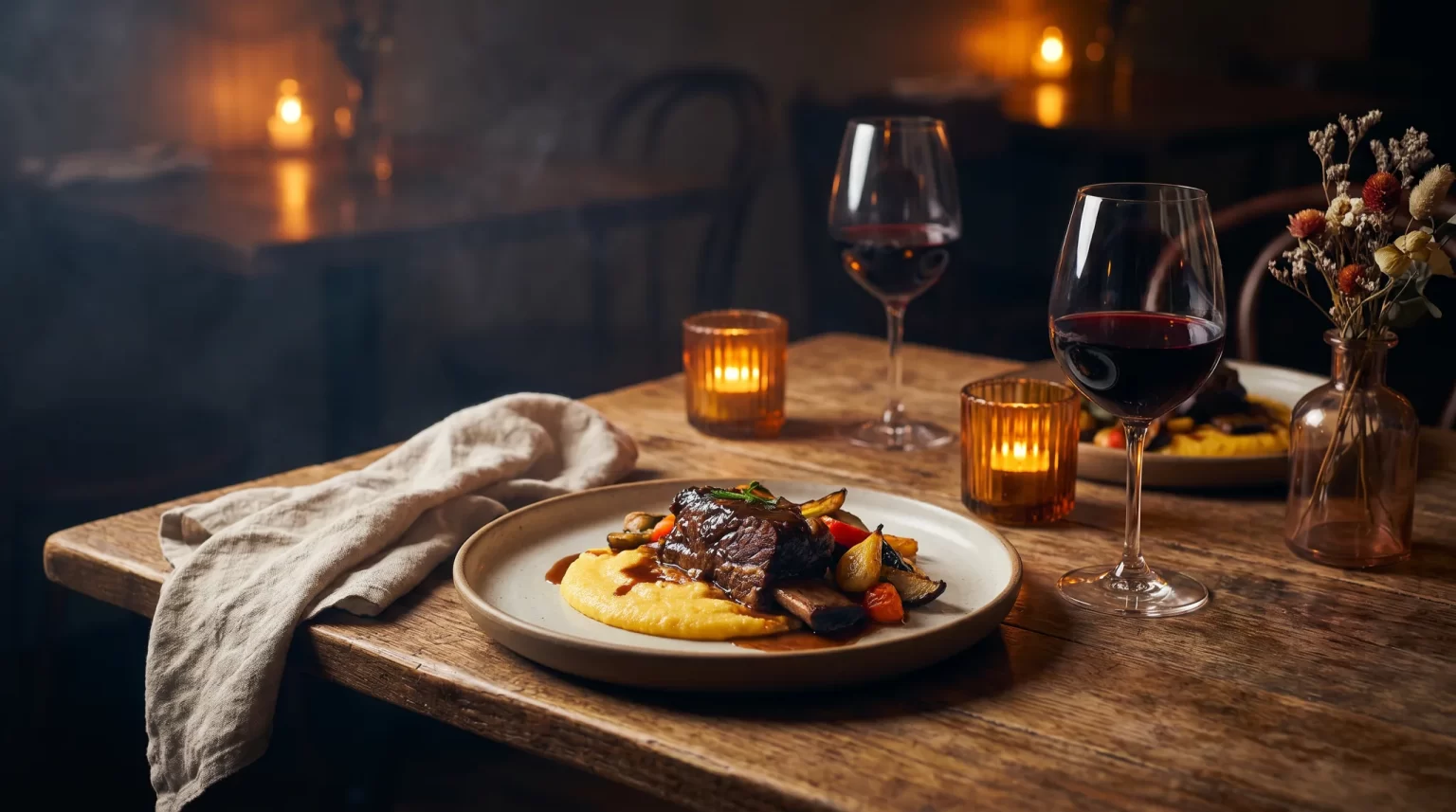
Hoover Dam Park is inside Westerville and Sunbury Road runs back into Uptown, so the road home is State Street. These three are on the Top of Columbus Westerville list. The picks are theirs, not mine.
Sources. Ohio Department of Natural Resources, Division of Wildlife, central Ohio fishing forecast, fishing licence fees, and the 2026 rainbow trout stocking release; Ohio Administrative Code rules 1501:31-13-08 and 1501:31-13-09 (bag and length limits); City of Columbus Recreation and Parks on the Hoover, Griggs, and O’Shaughnessy reservoirs and ramps; Ohio state parks admission via Ohio Traveler. Drive distances computed on OpenStreetMap roads from downtown Columbus.
Ray Dodson writes for Smells Like Fish. Ray is the pen name of that site's research desk: every recommendation is built from documented angler consensus, state fish and wildlife guidance, and published testing, with sources named in every article. This piece was written for Top of Columbus.